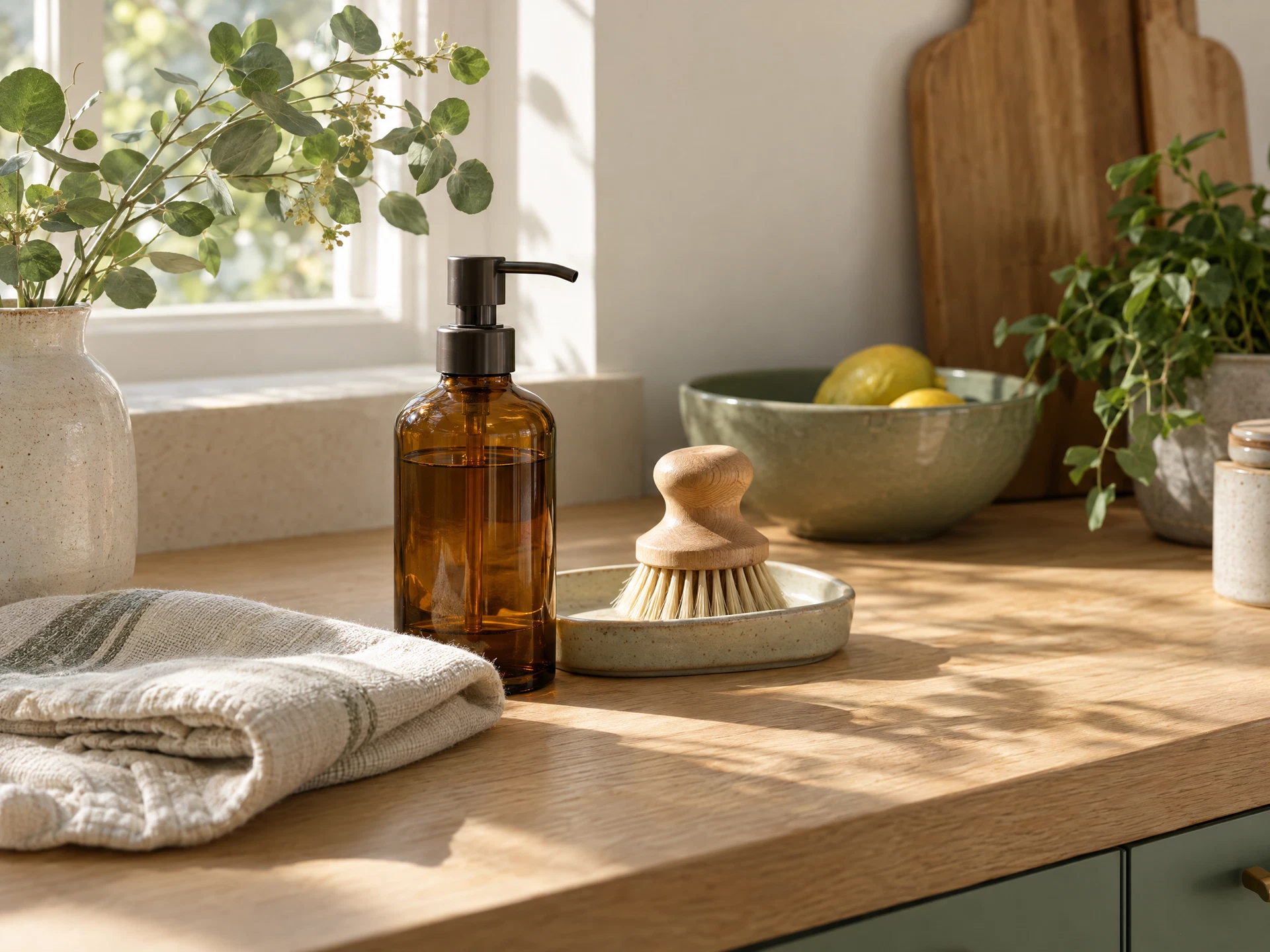
Start with a small annoyance
The most useful find is often the one that solves a problem you already have. Before browsing, notice what slows you down: a towel with nowhere to hang, keys that disappear, or a crowded sink. Write down the problem first. It makes it easier to recognize a helpful solution—and skip the rest.
Look for everyday usefulness
A washable tray that catches drips, a sturdy brush that is comfortable to hold, or a basket that fits an awkward shelf can make a real difference. Measure the space before ordering. Check materials, care instructions, and return terms, and remember that a lower price is not always a better value if the item will not last.
Choose less maintenance
Consider the work an object creates. Does it need special refills? Can it be cleaned easily? Will a replacement part be available? Simple, repairable, multipurpose items are often easier to live with than clever-looking gadgets.
Try what you have first
A small bowl can become a key catcher. A spare jar can store utensils. Give an existing object a new job before adding another one. If a new purchase still makes sense after a few days, you will know exactly why you want it.